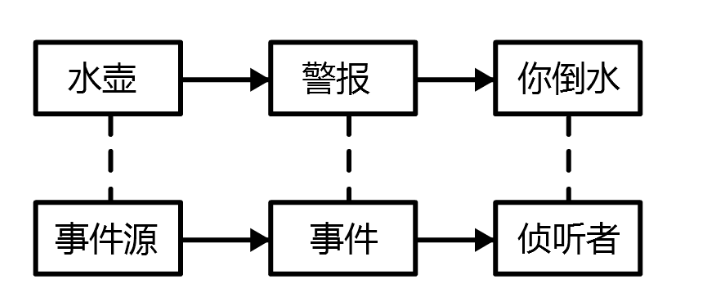
用法:
1. 基础线程不安全版本 懒汉
1
2
3
4
5
6
7
8
9
10
11
12
13
14
15
16
| class Singleton {
private:
static Singleton* instance;
Singleton() {}
public:
static Singleton* getInstance() {
if (instance == nullptr) {
instance = new Singleton();
}
return instance;
}
};
Singleton* Singleton::instance = nullptr;
|
2. 线程安全版本(C++11及以上) 懒汉
1
2
3
4
5
6
7
8
9
10
11
12
13
14
15
16
17
18
19
20
21
| #include <mutex>
class Singleton {
private:
static Singleton* instance;
static std::mutex mtx;
Singleton() {}
public:
static Singleton* getInstance() {
std::lock_guard<std::mutex> lock(mtx);
if (instance == nullptr) {
instance = new Singleton();
}
return instance;
}
};
Singleton* Singleton::instance = nullptr;
std::mutex Singleton::mtx;
|
3. Meyer’s Singleton(推荐) 饿汉
1
2
3
4
5
6
7
8
9
10
11
12
13
14
| class Singleton {
private:
Singleton() {}
public:
static Singleton& getInstance() {
static Singleton instance;
return instance;
}
Singleton(const Singleton&) = delete;
Singleton& operator=(const Singleton&) = delete;
};
|
4. 智能指针版本
1
2
3
4
5
6
7
8
9
10
11
12
13
14
15
16
17
18
19
20
21
22
23
24
25
26
27
28
| #include <memory>
#include <mutex>
class Singleton {
private:
static std::shared_ptr<Singleton> instance;
static std::mutex mtx;
Singleton() {}
public:
static std::shared_ptr<Singleton> getInstance() {
if (instance == nullptr) {
std::lock_guard<std::mutex> lock(mtx);
if (instance == nullptr) {
instance = std::shared_ptr<Singleton>(new Singleton());
}
}
return instance;
}
Singleton(const Singleton&) = delete;
Singleton& operator=(const Singleton&) = delete;
};
std::shared_ptr<Singleton> Singleton::instance = nullptr;
std::mutex Singleton::mtx;
|
5. 模板通用版本
1
2
3
4
5
6
7
8
9
10
11
12
13
14
15
16
17
18
19
20
21
22
23
24
25
26
27
28
29
30
| #include <mutex>
template<typename T>
class Singleton {
private:
static T* instance;
static std::mutex mtx;
public:
static T* getInstance() {
if (instance == nullptr) {
std::lock_guard<std::mutex> lock(mtx);
if (instance == nullptr) {
instance = new T();
}
}
return instance;
}
Singleton(const Singleton&) = delete;
Singleton& operator=(const Singleton&) = delete;
};
template<typename T>
T* Singleton<T>::instance = nullptr;
template<typename T>
std::mutex Singleton<T>::mtx;
|
使用示例
1
2
3
4
5
6
7
8
9
10
11
12
13
14
15
16
17
18
19
20
21
22
23
24
25
| #include <iostream>
class MyClass {
private:
int value;
MyClass() : value(0) {}
friend class Singleton<MyClass>;
public:
void setValue(int v) { value = v; }
int getValue() const { return value; }
};
int main() {
auto& singleton = Singleton::getInstance();
auto* myClass = Singleton<MyClass>::getInstance();
myClass->setValue(42);
std::cout << "Value: " << myClass->getValue() << std::endl;
return 0;
}
|
推荐使用
对于大多数情况,推荐使用 Meyer’s Singleton 实现方式,因为它:
- 线程安全(C++11标准保证)
- 自动销毁(RAII)
- 代码简洁
- 性能较好(延迟初始化)
还有一种,采用双锁检查机制。
1
2
3
4
5
6
7
8
9
10
11
12
13
14
15
16
17
18
19
20
21
22
23
24
25
26
27
28
29
30
31
32
33
34
| #include <mutex>
#include <atomic>
class Singleton {
private:
static std::atomic<Singleton*> instance;
static std::mutex mtx;
Singleton() {}
public:
static Singleton* getInstance() {
Singleton* tmp = instance.load(std::memory_order_relaxed);
if (tmp == nullptr) {
std::lock_guard<std::mutex> lock(mtx);
tmp = instance.load(std::memory_order_relaxed);
if (tmp == nullptr) {
tmp = new Singleton();
instance.store(tmp, std::memory_order_relaxed);
}
}
return tmp;
}
Singleton(const Singleton&) = delete;
Singleton& operator=(const Singleton&) = delete;
};
std::atomic<Singleton*> Singleton::instance{nullptr};
std::mutex Singleton::mtx;
|